

Air Compressor with Dryer
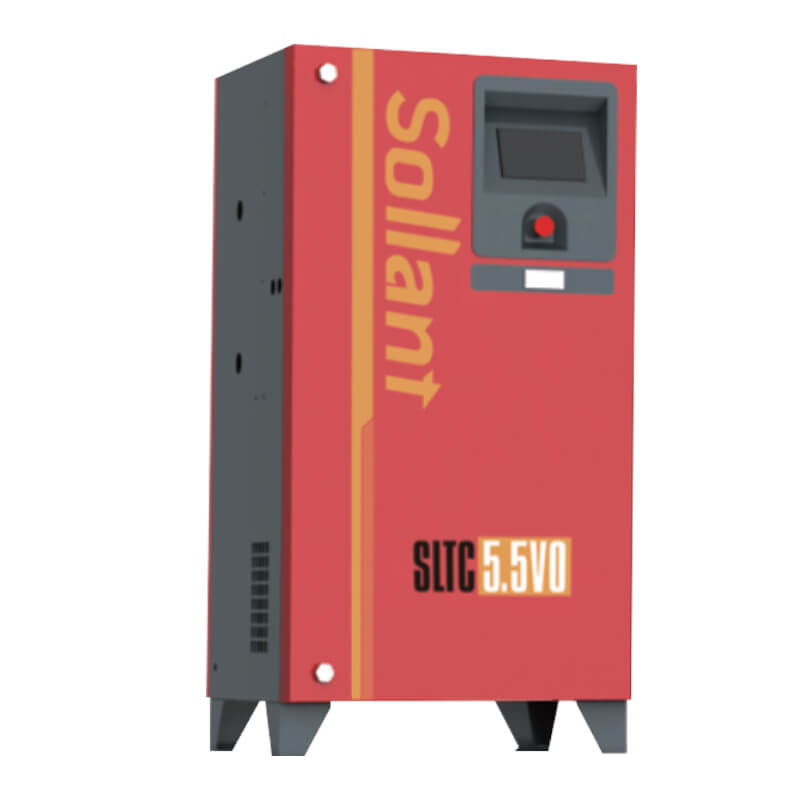
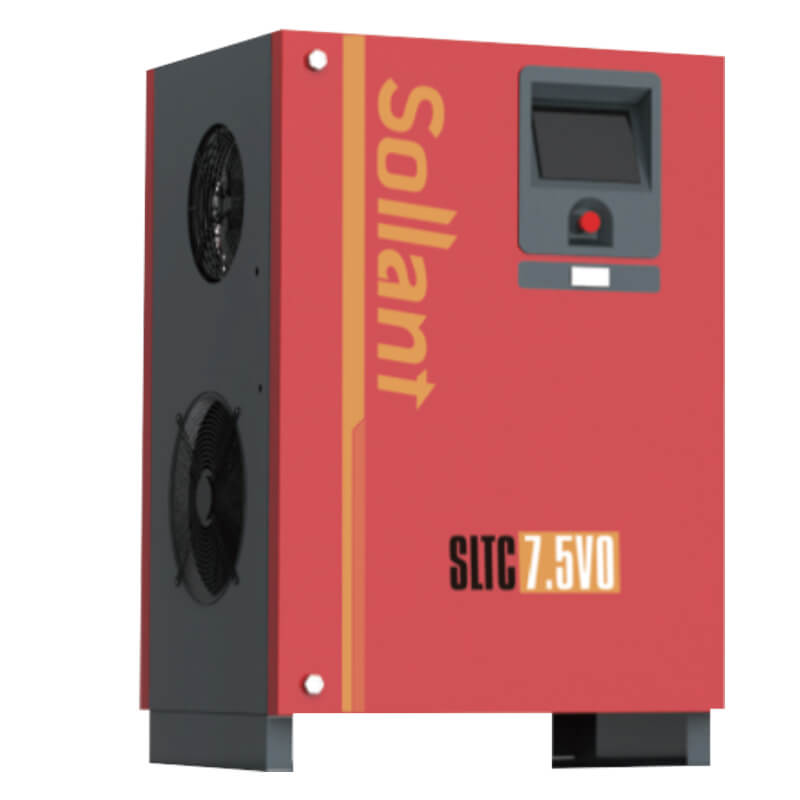
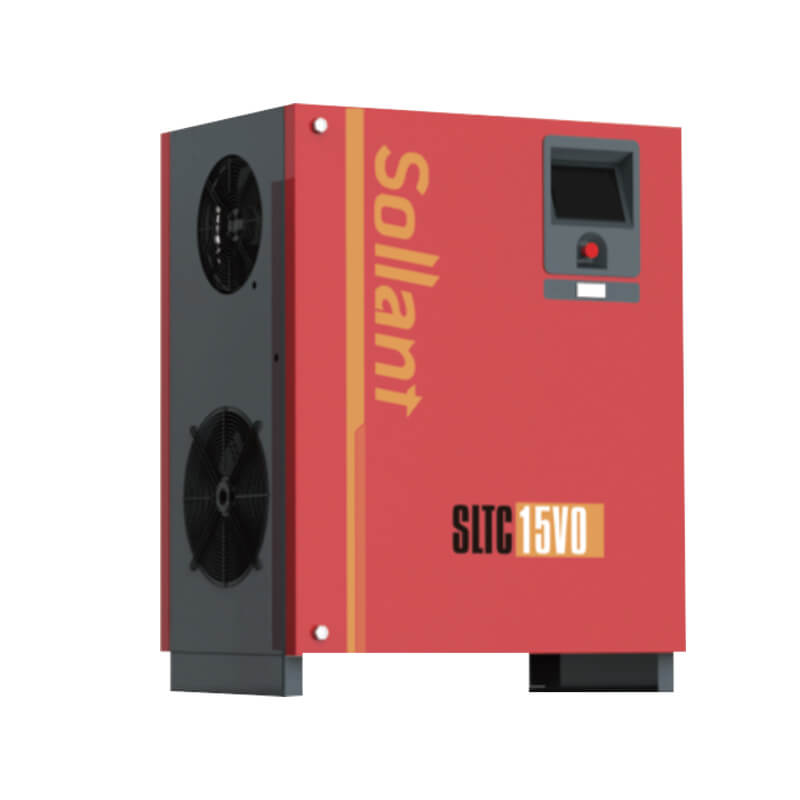
The integrated small screw air compressor is a highly popular industrial power device on the market.
- New high-efficiency rotor-type line
- Stable and reliable performance
- Long service life
- Industrial grade refrigeration compressor
- Optimised pipework
- Professional water removal function
New High-efficiency Airend
- New high-efficiency rotor-type line
- Stable and reliable performance
- Long service life
Refrigerated Dryer
- High efficiency plate-fin heat exchanger
- Low relative humidity of outlet air
- Professional water removal function
- Dew point 2-10°c
- 50% reduction in energy consumption compared to shelland tube dryers
- Optimised refrigeration system
- Safe and reliable
- Industrial grade refrigeration compressor
- Optimised pipework
- Optimised pipe connections,weld joints reduced to 5
Permanent Magnet Motor
- lE4 energy efficiency rating
- Oil-cooled permanent magnet variable frequency drive
- IP65 protection rating
Precision Filters
- Class C:Particles (water and oil mist) filtered out by high efficiency cyclone and collision separation: >3um
Oil content:≤5ppm - Class T:Main pipe filtration (coalescing type)High-efficiency degreasing filtration(coalescing type) Removal of particles(water and oil mist):>3um Oil content:≤1ppm
- Class A:High-efficiency degreasing filtration (coalescing type)
- Remove particles (water and oil mist):>0.01um
- Oil content:≤0.01ppm

Why Choose an Air Compressor with Dryer?
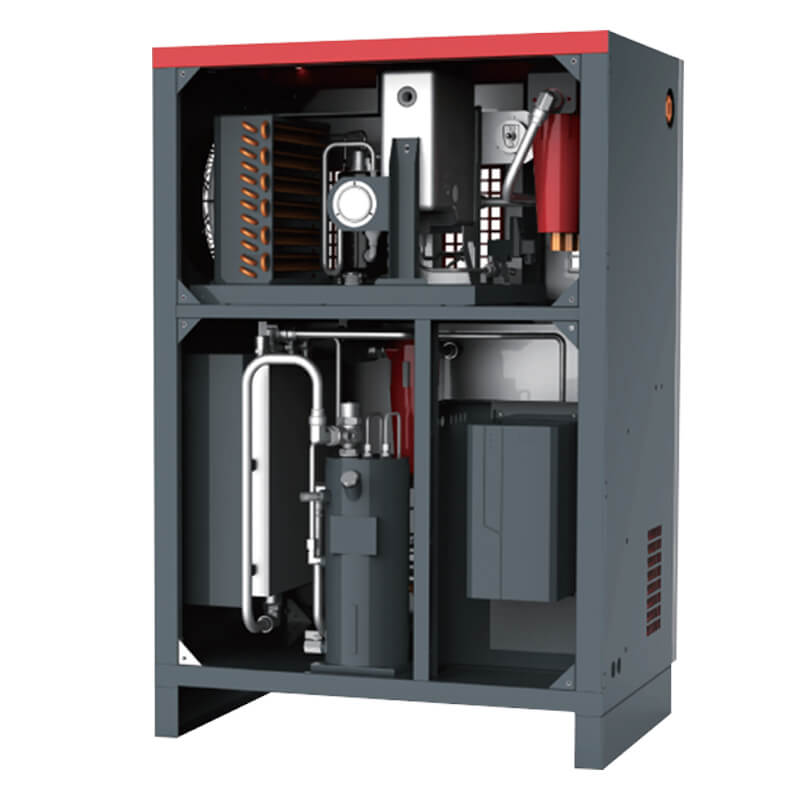
The integrated small screw air compressor is a highly popular industrial power device on the market.It integrates the screw main unit, motor, cooling system, intake system, control system, as well as the refrigeration dryer and filters into a compact chassis, achieving a ‘ready-to-use’ setup.
1.Integrated design with beautiful appearance, fewer parts, and connectors reduce the possibility of unit failure and leakage; direct discharge of dry compressed air, fully guarantee the quality of user terminal gas; greatly save customer installation costs and use space.
2.With new modular design structure, compact layout, ready to install and work.
3.After strict testing of the unit, the vibration value of the unit is far lower than the international standard.
4.Adopting a freeze dryer with excellent performance, a compact rotary refrigeration compressor, and a high cooling capacity configuration scheme to ensure reliable operation under high-temperature conditions.

Keep us updated on the latest Air Compressor newsletter
Why Choose an Air Compressor with Dryer?
Compressed air is ubiquitous in the arteries of modern industrial production, from powering pneumatic tools to participating in complex manufacturing processes; its importance is undeniable. However, many companies, while pursuing efficiency, often overlook a crucial factor—the quality of compressed air, especially the potential problem of moisture. An air compressor is not simply an air “pump”; the medium it provides, if not properly treated, can become an invisible killer of equipment failure, production interruptions, and even decreased product quality. This article will take you on a deep dive into the sources of moisture in compressed air, detail the five core advantages of choosing an air compressor with dryer, and provide comprehensive selection guidance to help you build an efficient and stable compressed air system.
Where Does the Water in Compressed Air Come From? Unveiling the Source of the Invisible “Destroyer”
You might wonder how clear air can produce so much moisture? The answer lies in the basic physical laws of nature. Every breath of air we take contains a certain amount of water vapor, which is what we call “humidity.” When an air compressor draws in ambient air, this water vapor also enters with it.
Physical Phenomena of the Compression Process: When air is compressed, its volume decreases, its pressure increases, and its temperature also rises. According to the ideal gas law, the density of water vapor molecules per unit volume increases sharply.
Cooling and Condensation: The high-temperature, high-pressure compressed air, after leaving the compressor, is transmitted through pipes, storage tanks, and other systems. During this process, the air temperature gradually decreases. When the temperature of the compressed air falls below its “pressure dew point,” the supersaturated water vapor condenses into liquid water, forming what we call “condensate.”
Influence of Environmental Factors: The higher the humidity of the ambient air (for example, in humid southern regions), the lower the ambient temperature (especially in cold winters), and the higher the operating pressure of the compressor, the more condensate will ultimately be produced. It can be said that as long as an air compressor is running, condensate is unavoidable.
This condensate is the invisible “destroyer” in our system.

Five Core Advantages of Choosing an Air Compressor with Dryer: More Than Just Drying, It’s About Productivity
Investing in an air compressor with a dryer is far more than simply about “drying”; it’s a strategic decision concerning productivity, cost control, and long-term development.
Guardian of Equipment Lifespan and Reducer of Maintenance Costs:
The End of Corrosion: Moisture, when mixed with trace contaminants in compressed air (such as oil and dust), forms corrosive acidic substances. These substances accelerate internal corrosion and degradation of pneumatic components, pipes, valves, and equipment, leading to seal failure, internal channel blockage, and jamming of moving parts. The dryer eliminates the root cause of corrosion by removing moisture.
Reduced Wear and Tear: A humid environment compromises the integrity of the lubricating oil film, increasing friction between moving parts and accelerating mechanical wear. Dry air ensures proper lubrication inside pneumatic components, significantly extending their service life.
Reduced Repair Frequency and Costs: Reduced corrosion and wear mean a significant decrease in equipment failure rates, thus reducing expensive spare parts replacement, repair time, and production losses due to breakdowns.
Guaranteed Product Quality and Improved Production Efficiency:
Perfect Presentation of End Products: In the painting and coating industry, humid compressed air can cause blistering, orange peel effect, and poor adhesion of the paint; in the food, pharmaceutical, and electronics industries, moisture is a major cause of bacterial growth and product spoilage. Dry compressed air ensures uniform spraying, food safety and hygiene, and the reliability of electronic components, directly improving product quality and market competitiveness.
A Stable Foundation for Process Flow: In precision instruments, automation control, and semiconductor manufacturing, the purity of compressed air is extremely critical. Moisture can interfere with the transmission of pneumatic control signals, causing valves to operate slowly or inaccurately, affecting production cycles and yield rates. High-quality dry air is the cornerstone of ensuring stable and efficient production processes.
Optimized Energy Efficiency and Reduced Operating Costs:
Reduced System Resistance: Condensation in the pipes increases the flow resistance of compressed air, requiring the compressor to run longer or consume more energy to reach the set pressure. Furthermore, a mixture of water and compressed air can reduce the efficiency of pneumatic actuators.
Reduced pressure drop: Humid air can form water droplets in components such as filters and regulators, causing additional pressure drop and forcing the compressor to increase output pressure, thus increasing energy consumption. Dryers effectively avoid these problems, optimizing the energy consumption performance of the entire compressed air system.
Ensuring safe production and improving the working environment:
Explosion and frost protection: In certain specific environments, such as low temperatures or places containing flammable and explosive gases, moisture in compressed air condensing into ice or mixing with flammable gases may pose safety hazards. Dry air effectively avoids these risks.
Hygiene and health: Microorganisms are easily bred in humid compressed air environments, especially in industries with strict hygiene requirements such as medical and food processing, which may pose a threat to employee health. Drying helps maintain a clean and hygienic production environment.
Compliance with environmental regulations and enhancement of corporate image:
Condensate treatment: Untreated compressed air condensate usually contains oil and heavy metals, and direct discharge will cause environmental pollution. Although the dryer itself does not directly treat the oil in the condensate, it reduces the amount of condensate generated, and high-quality drying systems are usually equipped with condensate treatment systems to ensure that emissions meet environmental standards and demonstrate the company’s social responsibility.
How to choose a suitable air compressor with dryer: Tailor-made, precise matching
Choosing a suitable dryer is not easy and requires a “tailor-made” approach based on your specific working conditions and needs:
Clarify compressed air flow and pressure:
Flow matching: The rated processing flow of the dryer (usually expressed in m³/min or cfm) must be greater than or equal to the actual air output of your compressor. Leaving a 10%-20% margin is a wise choice to cope with possible future expansion or fluctuations in working conditions.
Pressure compatibility: Ensure that the selected dryer can withstand the operating pressure range of your system.
Determine the required dew point: This is the most critical indicator for choosing the type of dryer.
Refrigerated dryer: Economical and practical, the dew point is usually between 3℃ and 10℃. Suitable for most applications that do not require extremely high compressed air quality, such as general pneumatic tools, machining, equipment drives, etc. Its principle is to use a refrigerant to cool compressed air below its dew point, causing water vapor to condense and be discharged.
Adsorption dryer (regenerative dryer): Capable of providing a lower dew point (typically -20°C to -70°C), suitable for applications requiring extremely dry air, such as precision electronics, pharmaceuticals, chemicals, sandblasting, instrumentation, and outdoor low-temperature environments. It absorbs moisture through an adsorbent (such as activated alumina, molecular sieve) and discharges the moisture through heating or heatless regeneration.
Membrane dryer: Provides a medium dew point (typically -20°C to -40°C), requires no electricity, is compact in structure, but is relatively expensive, and is usually used for small flow rates and specific point-of-use applications.
According to the application scenario: For example, a paint shop usually requires a dew point of around 3°C, while a pharmaceutical or electronics factory may require a dew point of -40°C or even lower.
Consider environmental conditions:
Ambient temperature and humidity: The performance of the dryer will be affected by ambient temperature and humidity. For example, the performance of a refrigerated dryer may decrease in high-temperature and high-humidity environments.
Installation space and ventilation: Ensure sufficient space for installing the dryer and ensure good ventilation and heat dissipation to maintain its optimal operating condition.
Explosion-proof requirements: In special hazardous environments, it is necessary to select a dryer that meets explosion-proof standards.
Evaluate operating and maintenance costs:
Energy consumption: Refrigerated dryers consume refrigerant, while adsorption dryers consume a small amount of compressed air (heatless regeneration) or electrical energy (heated regeneration) during the regeneration process.
Maintenance cycle and consumables: Understand the maintenance requirements and related consumable costs, such as filter replacement and adsorbent lifespan. Generally, refrigerated dryers are relatively simple to maintain, while adsorption dryers require regular replacement of the adsorbent or more frequent maintenance.
Brand and service: Choosing a well-known brand provides more reliable product quality, more comprehensive after-sales service, and technical support.
Summary: A wise choice drives an efficient future
In today’s pursuit of Industry 4.0 and intelligent manufacturing, the quality of compressed air has become an important indicator of the advancement of production systems. Choosing an air compressor integrated with or equipped with a high-quality dryer is no longer just about cost, but a comprehensive investment in productivity, product quality, equipment assets, and environmental responsibility. It effectively eliminates the risks associated with moisture in compressed air, minimizing the risk of malfunctions, maximizing equipment efficiency, enhancing product competitiveness, and creating a safer, more efficient, and more sustainable production future for your company. A wise choice will drive a drier and more efficient tomorrow for your business.
REQUEST QUOTE


